Puppy Training 101 — Make Sit Happen!
by Nancy Campion — NHRCA Resident & Dog Lover
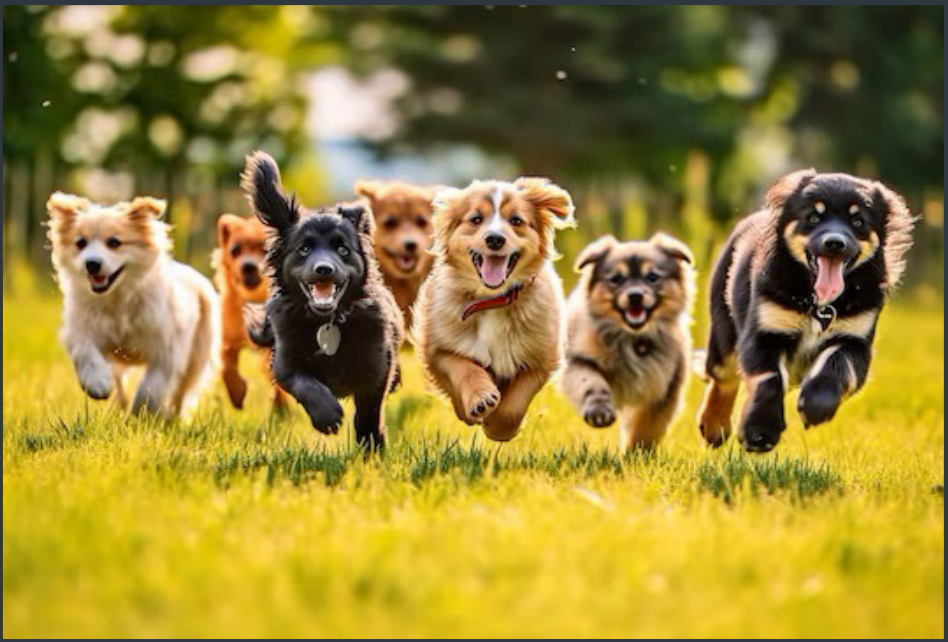
Let's talk training! We received this wonderful article from one of our residents about her recent trials and tribulations of puppy training. Showing patience will lead to many wonderful years of companionship and unconditional love. The NHRCA recently partnered with a new business advertiser, LoveDon Canine Care. LoveDon specializes in pack walking, which is a great way for your pups to get exercise and socialization in a calm, structured environment. A warm NHRCA welcome to LoveDon Canine Care! You can find all of LoveDon's details on the advertisement pages. I guess this issue has really gone to the dogs!
I was curious if you have welcomed a new puppy into your life this spring, just like I have! Young puppies have very small bladders and are still developing muscle tone. Because of this, when they need to go, they go! Those Puppy Pads are great. I keep a large pad on the kitchen floor, close to the door, as the kitchen is also where her crate is set up. Your puppy is already able to tell you when they need to pee or poop. The trick is you learning to recognize their signals, and then over time improving your communication with each other.
Using a Crate During the Day. As much as you are able, you will want to be watching your puppy directly and interacting with them. But this is not always possible. Whether you are getting some work done, making dinner, running errands, or taking a nap, the crate will help you maintain house training criteria when you can’t be watching your pup every minute. Set the crate up somewhere that you can hear and/or see your puppy. Give your puppy a treat or toy when putting them in the crate so it has something to do. Take them out for regular bathroom breaks— with puppies 8–12 weeks old, I like to do this every hour if possible.
Learn Your Puppy’s Signals. When you are able to keep an eye on your puppy, they can roam more freely. But remember to focus on two goals—reading your puppy’s body language, and being proactive to set your puppy up for success and prevent accidents. Every puppy communicates in their own way, but there are common signals that a puppy uses when they need a trip outside. Watch your puppy for these behaviors:
- Circling (wandering away from play and starting to sniff around)
- Whining
If you see your puppy do one of these things or notice any other sudden change in behavior, take them outside to see if they need to go. Or you can take them straight to the puppy pad. I generally want my pet to go outside. At the same time, familiarity with pads helps for days of heavy rain and later deep snow. Be alert and watch your pet at these times—after meals, after naps, when a play session starts to wind down.
Praise for Good Habits. Praise and reward your puppy for peeing and pooping outside! Tell them what brilliant and perfect puppies they are, and give a treat or a nice pet. You can also play a little after they eliminate outside. Puppies just love to play! You are trying to build the pattern that the urge to eliminate means it is time to go outside, which is a really good thing! Accidents will happen…and it's okay! If you catch your puppy in the act, scoop them up and rush them outside, then praise for finishing the job in the yard. Yelling won't help.
Additional Tips. Use baby gates or exercise pens to create smaller sections in your house. This gives your puppy a little more freedom during the day but still keeps them partially confined and limits how far away from you they can get. Housetraining can take longer for small and toy breed puppies. Be proactive about taking these puppies outside frequently and use crates and baby gates to limit space when you can’t watch them closely.
I currently have three dogs and love them with all my heart. Roxanne, my newest puppy, joined the others this spring! Enjoy the love and happiness from your furry friend!
 North Harford Road Community Association